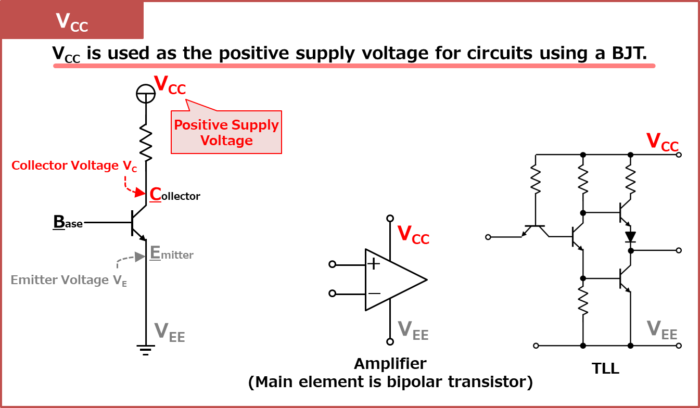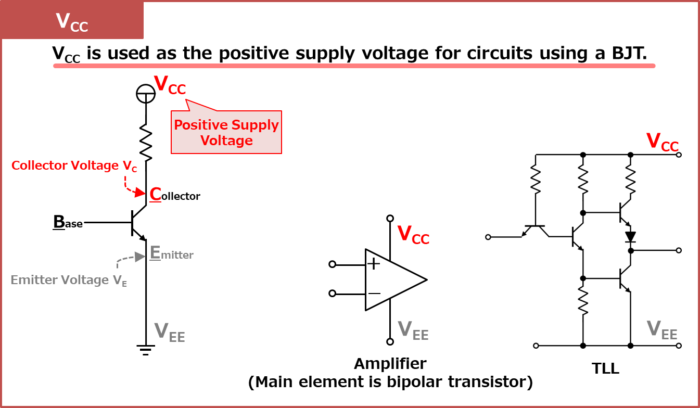
In the world of electronics, understanding the concept of VCC is crucial. VCC, which stands for voltage connected to the collector, plays a vital role in determining the power supply in various electronic devices. By comprehending how VCC functions, you gain valuable insights into the inner workings of electronics and how they harness and distribute power effectively. This article will shed light on the significance of VCC in electronics, unravel its role in powering devices, and explore its impact on overall performance.
Understanding VCC in Electronics
VCC is a term commonly used in the field of electronics, particularly in relation to power supply and voltage regulation. It refers to the supply voltage that is provided to a circuit or electronic component. In simpler terms, VCC represents the positive terminal of the power supply that is connected to the circuit.
Definition of VCC
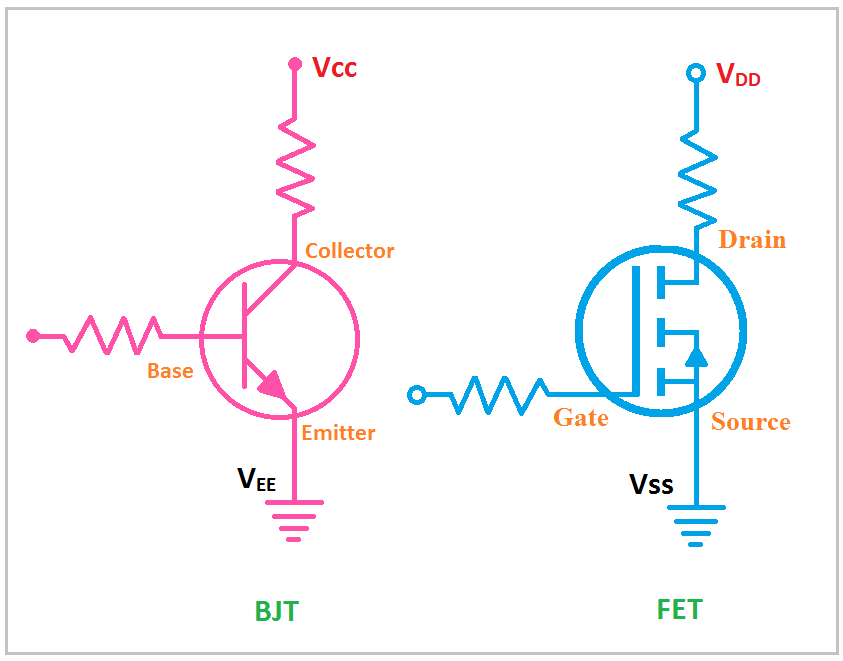
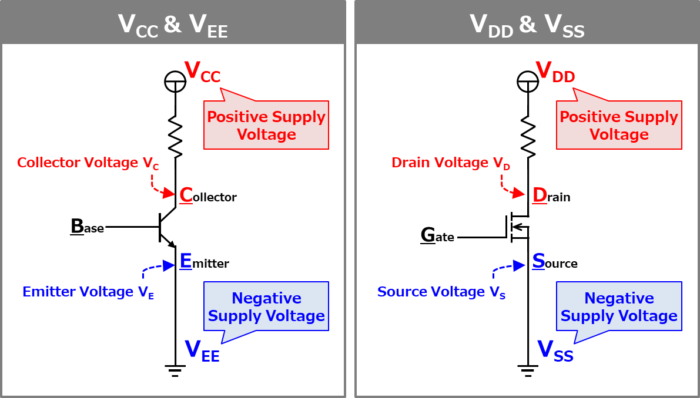
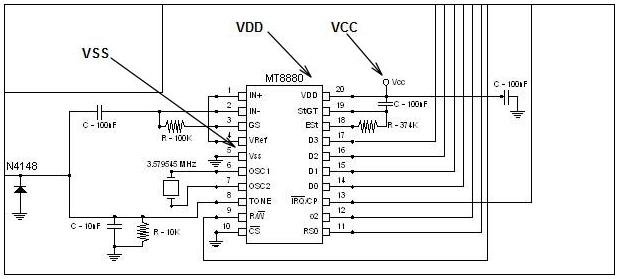
VCC is derived from the Latin phrase “voltage collector collective” and it is often used interchangeably with the term “VDD,” which stands for “voltage drain drain.” Both VCC and VDD represent the positive voltage supply, but VCC is typically used in reference to bipolar technologies, while VDD is more commonly associated with MOS (Metal-Oxide-Semiconductor) technologies.
Importance of VCC in Electronics
VCC plays a vital role in the proper functioning of electronic circuits and components. It provides the necessary voltage to power various elements of the circuit, ensuring their operation within specified limits. The stability and accuracy of VCC are crucial for maintaining the performance and reliability of electronic devices.
Key Concepts of VCC
To better understand VCC, let’s explore some key concepts that are closely related to it.
Voltage
Voltage is a fundamental concept in electronics. It is the electrical potential difference between two points in a circuit and is measured in volts (V). VCC represents the specific voltage level provided to a circuit, which can vary depending on the application and requirements of the electronic device.
Common Collector Configuration
The common collector configuration, also known as the emitter follower configuration, is a commonly used transistor amplifier configuration. It is designed to provide a low output impedance while maintaining voltage gain. VCC is an important consideration in the design and analysis of common collector circuits.
Power Supply
A power supply is a device that provides electrical energy to an electronic circuit or device. It converts the available input voltage, usually from the main power source, into the desired output voltage, which is typically VCC. Different types of power supplies exist, including linear power supplies and switching power supplies, each with its advantages and limitations.
Stabilization
Stabilizing VCC is essential to ensure that it remains constant and within acceptable limits. Voltage fluctuations or variations can lead to circuit malfunction or even damage to components. Techniques to stabilize VCC include the use of voltage regulators, filters, and feedback control mechanisms.
Decoupling Capacitors
Decoupling capacitors play a crucial role in electronic circuits by reducing noise and voltage fluctuations. They provide a stable voltage source, compensating for rapid changes in the demand for current by the circuit. Proper decoupling is necessary to maintain a stable VCC, particularly for high-speed digital circuits and sensitive analog systems.
Voltage
Definition of Voltage
Voltage, defined as the electrical potential difference, is a fundamental concept in electronics. It measures the energy per unit charge between two points in a circuit. In the context of VCC, voltage refers specifically to the potential difference between the positive and negative terminals of the power supply.
Importance of Voltage in Electronics
Voltage is critical in electronics as it determines the behavior and performance of electronic components and circuits. Different components have specific voltage requirements, and supplying the correct voltage ensures their proper operation. Insufficient voltage can cause malfunctions, while excessive voltage can lead to component failure.
Common Collector Configuration
Explanation of Common Collector Configuration
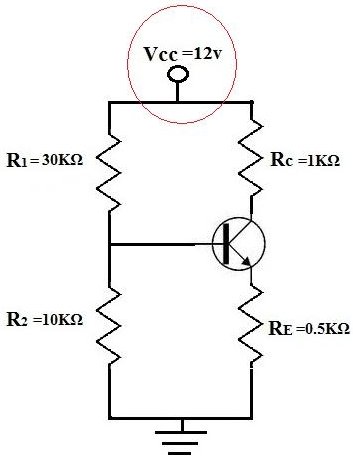
The common collector configuration is a transistor amplifier circuit that is widely used in electronic applications. In this configuration, the emitter is common between the input and output, while the collector is connected to VCC. It provides high input impedance, low output impedance, and unity voltage gain.
Applications in Electronics
The common collector configuration is commonly used in audio amplifiers, impedance matching circuits, and voltage buffer stages. Its excellent voltage gain and low output impedance make it suitable for driving low impedance loads while maintaining signal integrity.
Advantages and Disadvantages
One of the main advantages of the common collector configuration is its ability to provide unity voltage gain, which means that the output voltage follows the input voltage closely. Additionally, it provides high input impedance, ensuring minimal loading of the input source. However, a disadvantage of this configuration is the lower output voltage swing compared to other configurations.
Power Supply
Role of Power Supply in Electronics
A power supply is a vital component in electronic systems as it provides the necessary energy to power circuits and components. Its role is to convert the available input voltage into a regulated output voltage, typically VCC, that meets the requirements of the electronic device.
Different Types of Power Supply
There are various types of power supplies used in electronics, each with its advantages and limitations. Linear power supplies, for example, provide a constant output voltage but are less efficient and generate more heat. Switching power supplies, on the other hand, are highly efficient but may introduce more noise into the system.
Importance of VCC in Power Supply Design
In power supply design, ensuring a stable and accurate VCC is crucial for reliable and efficient operation. Fluctuations in VCC can lead to improper functioning or damage to electronic components. Power supply designs often incorporate voltage regulators and filtering techniques to maintain a constant and clean VCC.
Stabilization
Importance of Stabilizing VCC
Stabilizing VCC is essential for the proper operation of electronic circuits. Voltage stability ensures that components receive a consistent supply voltage, enabling them to perform their intended functions reliably. Unstable VCC can result in erratic behavior, reduced circuit lifespan, and even complete failure.
Methods for Voltage Stabilization
There are several methods employed to stabilize VCC in electronic systems. Voltage regulators are commonly used to maintain a constant output voltage despite fluctuations in input voltage or changes in load conditions. Filtering techniques, such as capacitors and inductors, help reduce noise and voltage ripples in the power supply.
Voltage Regulators
Voltage regulators are electronic components designed to maintain a stable output voltage regardless of changes in input voltage or load conditions. They are widely used in power supply circuits to provide a regulated VCC. Voltage regulators can be linear or switching, with each type offering distinct advantages in terms of efficiency and performance.
Decoupling Capacitors
Role of Decoupling Capacitors
Decoupling capacitors, also known as bypass capacitors, are crucial components in electronic circuits. They are placed across the power supply rails to reduce noise and voltage fluctuations. Decoupling capacitors act as energy reservoirs, supplying instantaneous current demands and stabilizing VCC during rapid changes in load.
Importance of VCC Decoupling
Proper decoupling of VCC is vital, especially in high-speed digital circuits and sensitive analog systems. Voltage fluctuations can cause unwanted noise, signal distortion, and even malfunctions. By effectively decoupling VCC, decoupling capacitors help maintain a stable supply voltage, ensuring accurate and reliable operation.
Decoupling Techniques
Several techniques are employed to achieve effective decoupling of VCC. Placing capacitors as close as possible to the power supply pins of integrated circuits is essential to minimize inductance within the circuit. Multiple capacitors of various values can be used in parallel to cover a wider range of frequency disturbances. Careful selection of capacitor types and values is crucial to achieve optimal decoupling.
Factors Affecting VCC
Several factors can influence the stability and performance of VCC in electronic systems.
Load Variation
Changes in the load current of a circuit can directly affect VCC. High load variations can result in voltage drops or fluctuations, potentially causing malfunctions or system failure. Proper power supply design and voltage regulation techniques help mitigate the impact of load variations on VCC stability.
Ambient Temperature
Temperature changes can affect the behavior of electronic components, including power supplies. Heat can cause thermal stress and alter the characteristics of voltage regulators, leading to variations in VCC. Thermal management techniques, such as heat sinks and cooling fans, can help maintain VCC stability under varying temperature conditions.
Component Aging
Over time, electronic components can experience degradation, leading to changes in their electrical characteristics. This can impact VCC stability and overall circuit performance. Regular inspection and replacement of aged or faulty components are essential to ensure a stable VCC and mitigate the risks associated with component aging.
Electromagnetic Interference
Electromagnetic interference (EMI) can introduce noise and disturbances into electronic systems, affecting VCC stability. EMI can be caused by nearby electromagnetic sources, such as motors, transformers, or radio frequency signals. Proper shielding, grounding, and filtering techniques can help minimize the impact of EMI on VCC.
Testing and Troubleshooting VCC
When working with electronic circuits, it is important to test and troubleshoot VCC to ensure its stability and proper functioning.
Voltage Measurement Techniques
Various techniques can be employed to measure VCC voltage accurately. Digital multimeters (DMMs) are commonly used to measure DC voltage. Oscilloscopes, on the other hand, allow for more detailed analysis of voltage waveforms and can capture transient changes in VCC.
Common VCC Problems
Several common problems can arise with VCC in electronic circuits, including voltage drops, instability, and noise issues. These problems may result from inadequate power supply design, incorrect component selection, or insufficient decoupling. Identifying and addressing these issues promptly is crucial to maintain circuit performance.
Troubleshooting Steps
When troubleshooting VCC problems, a systematic approach is essential. Start by checking the power supply connections and ensuring they are properly connected. Inspecting and measuring VCC voltage at various points in the circuit can help identify potential issues. Analyzing the behavior of the circuit under different load conditions can also provide valuable insights for troubleshooting.
Application Examples
Let’s explore some practical examples of how VCC is utilized in various electronic applications.
VCC in Microcontrollers
Microcontrollers, the brains of many electronic devices, require a stable VCC for reliable operation. Suitable power supply circuitry is essential to provide the necessary voltage and ensure accurate processing and control. Decoupling capacitors are often employed to maintain a stable VCC, especially in microcontrollers with high-speed switching characteristics.
VCC in Amplifiers
Amplifiers play a crucial role in audio systems, and VCC is a critical factor in their design and performance. Stable and accurate VCC is necessary to ensure proper amplification and faithful reproduction of the input signal. Different amplifier classes and configurations may have specific requirements for VCC stability to deliver optimal audio quality.
VCC in Integrated Circuits
Integrated circuits (ICs) are compact electronic circuits that perform various functions within a single chip. VCC is vital for the operation of ICs, supplying the required voltage levels to individual components and ensuring reliable signal processing. Integrated voltage regulators and decoupling techniques are often integrated into IC designs to ensure a stable and clean VCC.
VCC in Power Electronics
In power electronics, where energy conversion and control occur, VCC plays a crucial role. Power supply designs in this field must consider the specific demands of high-power circuits. Stable and efficient VCC is essential for the reliable operation of power electronic devices, such as inverters, motor drives, and power supplies.
In conclusion, understanding VCC in electronics is crucial for designing and maintaining reliable electronic circuits and devices. By grasping the key concepts, such as voltage, common collector configuration, power supply, stabilization, and decoupling, one can effectively ensure stable and accurate VCC. Proper understanding of the factors affecting VCC and employing appropriate testing and troubleshooting techniques are essential for maintaining optimal circuit performance. With the knowledge of VCC, one can confidently apply this understanding in various electronic applications and achieve reliable and efficient operation.