
If you’ve ever wondered about the mysterious world of VCC in business, look no further. This article will provide you with a comprehensive understanding of what VCC stands for and how it is used in the business world. Whether you’re a seasoned entrepreneur or just starting out, this article will shed light on this essential concept and equip you with the knowledge to navigate the complexities of VCC in business. Get ready to unravel the secrets of VCC and discover its significance in today’s ever-evolving business landscape.
Definition of VCC
Explanation of the acronym
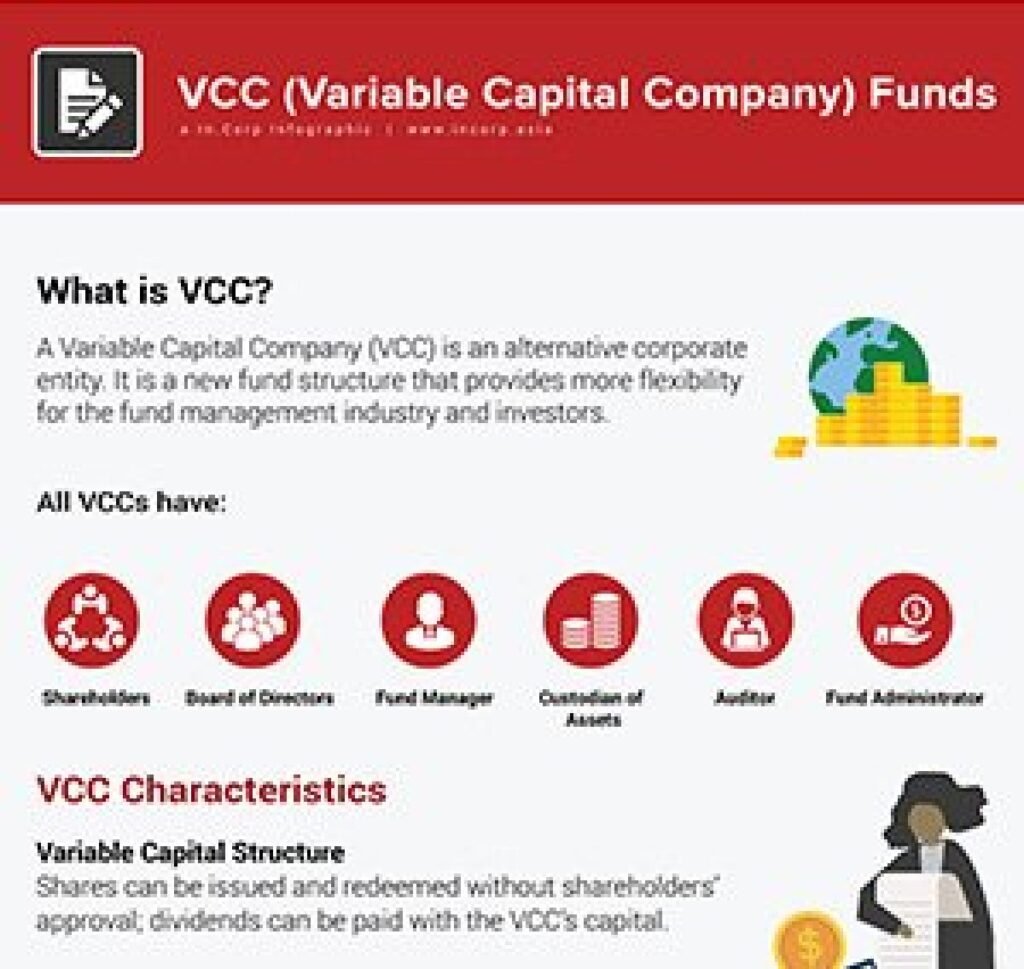
VCC stands for Variable Capital Company. It is a type of legal structure that is commonly used for investment funds and collective investment schemes. The term “Variable Capital” refers to the ability of shareholders to easily redeem or sell their shares, allowing the capital of the company to vary depending on the number of shares in circulation.
Meaning in the context of business
In the context of business, a VCC is a flexible and efficient vehicle for pooling funds from investors and investing in a variety of assets. It provides investors with limited liability protection, and the ability to easily transfer their shares. VCCs are subject to specific laws and regulations that govern their operations, ensuring investor protection and transparency.
Types of VCCs
Open-end and closed-end VCCs
VCCs can be categorized as either open-end or closed-end. Open-end VCCs allow investors to enter or exit the fund at any time, as the number of shares is not fixed. Closed-end VCCs, on the other hand, have a fixed number of shares and a defined lifespan. Investors can usually only enter or exit the fund during specific periods or events, such as at the end of a predetermined investment term.
Umbrella VCCs
Umbrella VCCs are a structure that allows multiple sub-funds to be established under a single VCC. Each sub-fund operates as a separate and distinct portfolio with its own investment strategy and assets. This structure provides flexibility for fund managers to efficiently manage and segregate different investment strategies while benefiting from shared administrative services and economies of scale.
Single-tier and multi-tier VCCs
In a single-tier VCC, the fund invests directly in the underlying assets. This structure is commonly used for funds that invest in publicly traded securities or other easily transferable assets. Multi-tier VCCs, on the other hand, have an additional layer of one or more sub-funds that hold the underlying investments. This structure is often used for funds that invest in illiquid assets or pursue complex investment strategies.
VCCs for specific industries
There are also VCCs that cater to specific industries, such as technology, real estate, and investment funds. These industry-specific VCCs may have additional regulations or requirements that are tailored to the nature of the assets being invested in or the particular risks and characteristics of the industry.
Advantages of VCCs
Limited liability protection
One of the main advantages of a VCC is the limited liability protection it provides to shareholders. This means that the liability of shareholders is limited only to the amount they have invested in the fund. In the event of the fund’s failure or legal action, shareholders are not personally liable for the fund’s obligations beyond their investment.
Flexible capital structure
VCCs offer a flexible capital structure that allows for the issuance and redemption of shares based on the demand of investors. This flexibility allows companies to quickly respond to changing market conditions and investor needs. It also provides investors with the ability to enter or exit the fund at their discretion, providing liquidity and enhancing the attractiveness of the investment.
Tax benefits
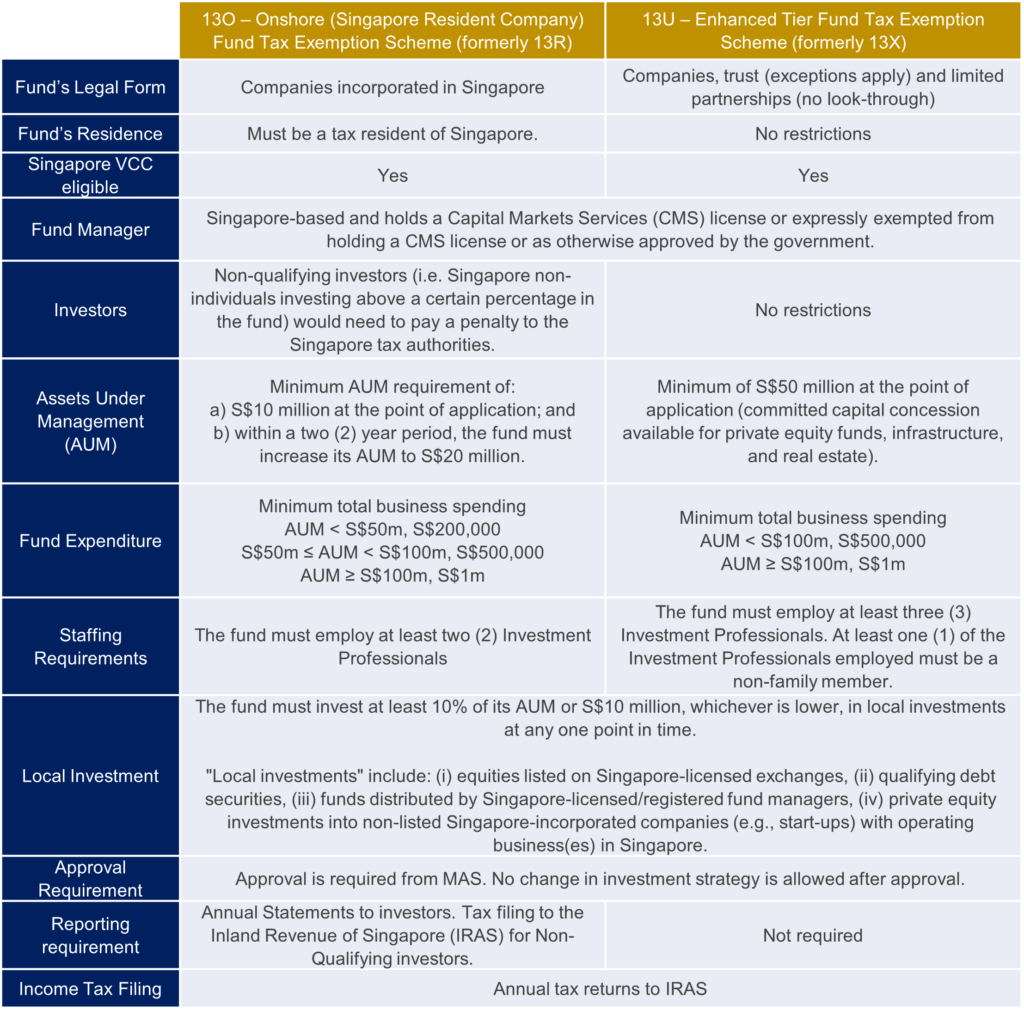
VCCs often enjoy favorable tax treatment in the jurisdictions where they are established. For example, some jurisdictions may provide tax exemptions or reduced tax rates for the income and capital gains generated by a VCC. These tax advantages can significantly enhance the returns for investors and make a VCC an attractive investment vehicle.
Enhanced credibility
Being regulated and subject to specific laws and regulations, VCCs often enjoy a higher level of credibility and transparency compared to unregulated investment vehicles. This can be particularly important for institutional investors and high-net-worth individuals who prioritize due diligence and investor protection when making investment decisions.
Ease of transferability
One of the key features of a VCC is the ease of transferability of shares. Investors can typically sell or transfer their shares to other investors without any restrictions imposed by the VCC. This ability to easily exit or transfer shares provides liquidity for investors and enables them to realize their investments in a timely manner.
Investment opportunities
VCCs provide investors with access to a wide range of investment opportunities across various asset classes, such as stocks, bonds, real estate, and private equity. Through a VCC, investors can gain exposure to diversified portfolios managed by professional fund managers. This allows investors to benefit from the expertise and knowledge of experienced professionals in making investment decisions.
Disadvantages of VCCs
Costs and administrative requirements
Setting up and maintaining a VCC can involve significant costs, including legal and regulatory compliance fees, audit fees, and ongoing administrative expenses. The complex structure of a VCC may also require the engagement of professional service providers such as lawyers, accountants, and fund administrators, adding to the overall cost of operating a VCC.
Lack of privacy
As VCCs are subject to regulatory oversight and reporting requirements, they generally have less privacy compared to other business structures. The identity of shareholders, financial statements, and other key information may be publicly available or accessible to regulatory bodies. This lack of privacy may be a concern for individuals or entities that value confidentiality in their business operations.
Complex setup and maintenance
Establishing a VCC can be a complex process, requiring expertise in legal and regulatory matters. The drafting and filing of the VCC’s constitution, appointment of directors and officers, and compliance with ongoing reporting requirements all require careful attention and adherence to the applicable laws and regulations. This complexity may deter some individuals or businesses from choosing a VCC as their preferred business structure.
Obligations and regulations
VCCs are subject to specific obligations and regulations imposed by the jurisdictions where they are established. These obligations may include requirements for reporting, record keeping, anti-money laundering measures, investor protection, and compliance with investment restrictions or guidelines. Failure to meet these obligations and comply with regulations can result in penalties, legal action, or loss of reputation for the VCC.
Legal Framework for VCCs
Jurisdictions allowing VCCs
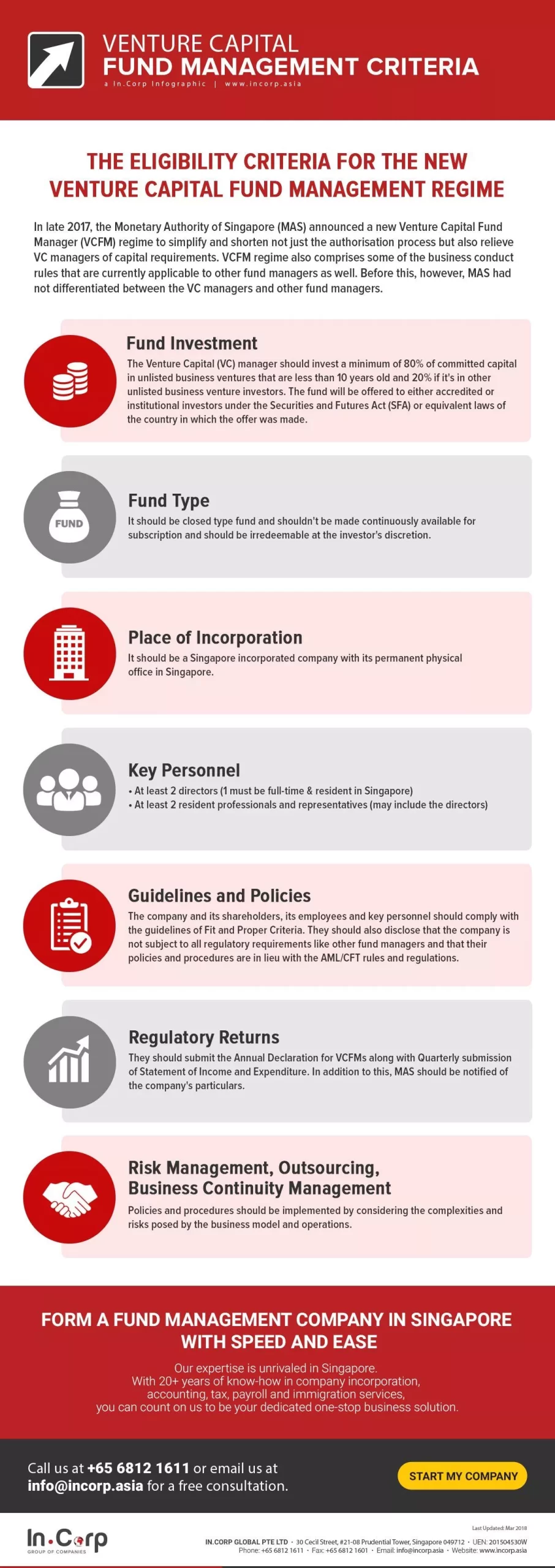
VCCs are not universally recognized and permitted in all jurisdictions. However, many jurisdictions have introduced legislation and regulations to accommodate the establishment and operation of VCCs. Some popular jurisdictions for setting up VCCs include Singapore, Ireland, Luxembourg, and the Cayman Islands. These jurisdictions offer favorable tax regimes, robust regulatory frameworks, and a business-friendly environment for VCCs.
Regulatory bodies overseeing VCCs
The operations of VCCs are typically overseen and regulated by specific regulatory bodies in the jurisdictions where they are established. These regulatory bodies are responsible for ensuring compliance with applicable laws and regulations, protecting the interests of investors, and maintaining the integrity and transparency of the VCC industry. Examples of regulatory bodies overseeing VCCs include the Monetary Authority of Singapore (MAS) in Singapore and the Central Bank of Ireland in Ireland.
Laws and regulations governing VCCs
Each jurisdiction has its own set of laws and regulations governing VCCs. These laws and regulations define the requirements for establishing and operating a VCC, the rights and obligations of shareholders, the procedures for raising capital and redeeming shares, and the compliance and reporting requirements. It is important for VCCs to be aware of and comply with the specific legal requirements of the jurisdiction in which they are established.
Compliance and reporting requirements
VCCs are required to comply with various reporting and compliance requirements to ensure transparency and protect the interests of investors. These requirements may include the preparation and submission of audited financial statements, regular reporting to regulatory bodies, disclosure of material events or changes, and maintaining proper records and documentation. Non-compliance with these requirements can result in penalties, fines, or legal consequences for the VCC.
Comparison with Other Business Structures
VCCs vs. traditional corporations
Compared to traditional corporations, VCCs offer greater flexibility in terms of capital structure, transferability of shares, and tax advantages. Traditional corporations often have fixed capital structures with a limited ability to issue or redeem shares. VCCs, on the other hand, have a variable capital structure that allows for the issuance and redemption of shares based on investor demand. VCCs also often enjoy tax benefits and exemptions that are not available to traditional corporations.
VCCs vs. Limited Liability Companies (LLCs)
VCCs and Limited Liability Companies (LLCs) share some similarities, such as limited liability protection for shareholders and flexibility in management and ownership. However, VCCs typically have a variable capital structure and are subject to specific laws and regulations governing investment funds. LLCs, on the other hand, have a fixed capital structure and are often used for a broader range of business activities beyond investment funds.
VCCs vs. partnerships
VCCs and partnerships differ in terms of legal structure, liability, and transferability of ownership interests. VCCs are separate legal entities with limited liability protection for shareholders. Partnerships, on the other hand, have more flexible ownership and management structures but generally do not provide limited liability protection. Additionally, VCCs permit the transferability of shares, while partnerships require the consent of all partners to transfer ownership interests.
VCCs vs. sole proprietorships
VCCs and sole proprietorships are vastly different business structures. While VCCs are separate legal entities with limited liability protection and a variable capital structure, sole proprietorships are unincorporated businesses owned and operated by a single individual. Sole proprietorships do not provide limited liability protection, and the business and personal assets of the owner are considered one and the same.

Process of Setting Up a VCC
Determining the business purpose
Before setting up a VCC, it is important to clearly define the business purpose and investment strategy of the fund. This includes identifying the target market, investment objectives, asset classes, and any specific industry or geographical focus. Having a clear business purpose will guide the selection of a suitable jurisdiction and regulatory framework for the VCC.
Choosing a suitable jurisdiction
The choice of jurisdiction is a critical decision when setting up a VCC. Different jurisdictions offer different tax regimes, regulatory frameworks, and business environments. Factors to consider when choosing a jurisdiction include the stability and reputation of the jurisdiction, the availability of experienced service providers, the tax advantages, the regulatory requirements, and the access to the target market or investment opportunities.
Obtaining necessary licenses and permits
Once the jurisdiction has been chosen, the next step is to obtain the necessary licenses and permits to establish the VCC. This may include applying to the relevant regulatory body for a license to operate as a VCC, as well as any other permits or authorizations required by local laws and regulations. The application process may involve providing detailed information about the VCC’s business purpose, ownership structure, directors and officers, and compliance systems.
Drafting and filing the VCC’s constitution
The constitution of a VCC sets out the rules and regulations governing the operations and management of the VCC. It typically includes provisions related to the rights and obligations of shareholders, the appointment and removal of directors and officers, the holding of shareholders’ meetings, the issuance and redemption of shares, and the procedures for winding up the VCC. The constitution is drafted and filed with the relevant regulatory body in accordance with the laws and regulations of the chosen jurisdiction.
Appointing directors and officers
A VCC is required to have directors and officers who are responsible for its management and operations. These individuals are typically appointed by the shareholders or by a designated governing body. The directors and officers have fiduciary duties to act in the best interests of the VCC and its shareholders, and they must comply with the applicable laws, regulations, and the VCC’s constitution.
Issuing shares and raising capital
Once the VCC has been established and the necessary licenses and permits obtained, the next step is to issue shares and raise capital from investors. The VCC can offer shares to investors through a private placement or a public offering, depending on the chosen jurisdiction and the applicable securities laws. The terms and conditions of the shares, such as the price, dividend rights, and redemption rights, are typically set out in the VCC’s constitution or in a separate shareholders’ agreement.
Meeting ongoing compliance requirements
After the VCC is up and running, there are ongoing compliance requirements that must be met to ensure continued operation within the legal and regulatory framework. These requirements may include the preparation and submission of audited financial statements, regular reporting to regulatory bodies, disclosure of material events or changes, and compliance with anti-money laundering measures. It is important for the VCC to establish an effective compliance system and engage professional service providers to assist with these obligations.
Case Studies of Successful VCCs
VCCs in the technology industry
In the technology industry, VCCs have been instrumental in financing and supporting innovative startups and early-stage companies. VCCs focused on technology investments provide capital and expertise to entrepreneurs and help them grow their businesses. These VCCs often have a rigorous selection process, targeting companies with high growth potential and disruptive technologies. Successful technology VCCs have played a significant role in the development of the technology ecosystem and the success of many tech companies.
VCCs in the real estate sector
VCCs have also been widely used in the real estate sector for pooling funds from investors and investing in various real estate assets. Real estate VCCs can invest in residential, commercial, industrial, or mixed-use properties, and provide investors with an opportunity to diversify their portfolios and access real estate investments that may otherwise be difficult to obtain individually. Successful real estate VCCs have demonstrated the ability to generate stable income and capital appreciation for investors.
VCCs in the investment fund industry
VCCs have long been a preferred legal structure for investment funds, including hedge funds, private equity funds, and mutual funds. The variable capital structure of VCCs allows for the easy entry and exit of investors, providing liquidity and flexibility for fund managers. In addition, VCCs offer tax advantages and limited liability protection for investors, making them an attractive choice for both institutional and individual investors. Successful investment fund VCCs have generated strong returns, attracted a wide range of investors, and established a track record of investment expertise.
VCCs in emerging markets
VCCs have also gained popularity in emerging markets as a tool for attracting foreign investment and stimulating economic development. These VCCs often target specific industries or sectors that have high growth potential and provide capital to support the expansion of local businesses. Emerging market VCCs face unique challenges, such as political and regulatory risks, but successful examples have demonstrated the ability to drive economic growth, create employment opportunities, and foster innovation in emerging economies.
Future Trends and Challenges
Rise of digital VCCs
As technology continues to advance, there is a growing trend towards the use of digital VCCs. These are VCCs that are entirely or partially managed through digital platforms and leverage technologies such as blockchain and smart contracts. Digital VCCs offer the potential for increased transparency, efficiency, and accessibility for investors. However, the adoption of digital VCCs also presents challenges related to cybersecurity, data privacy, and regulatory compliance.
Blockchain and smart contract applications
Blockchain technology and smart contracts have the potential to revolutionize the way VCCs operate. Blockchain can provide a secure and transparent ledger for recording the ownership and transfer of VCC shares, while smart contracts can automate various aspects of the shareholders’ agreements and compliance requirements. The use of blockchain and smart contracts can streamline processes, reduce costs, and enhance transparency in the management of VCCs.
Integration with sustainable business practices
There is a growing focus on sustainable and responsible investing, and VCCs are no exception. Investors are increasingly interested in investing in funds that align with their environmental, social, and governance (ESG) values. VCCs have the opportunity to integrate ESG considerations into their investment strategies and demonstrate their commitment to sustainability. This can enhance the attractiveness of VCCs to socially conscious investors and contribute to the achievement of global sustainability goals.
Regulatory challenges and changes
The regulatory landscape for VCCs is continually evolving, and VCCs must stay abreast of the changes to ensure compliance and maintain their credibility. Regulatory bodies are increasing their focus on investor protection, anti-money laundering measures, and transparency in the VCC industry. Changes in regulations can impact the operational and compliance requirements of VCCs, and fund managers need to adapt to these changes to ensure ongoing compliance and regulatory approval.
Conclusion
VCCs offer a flexible and efficient legal structure for investment funds and collective investment schemes. They provide limited liability protection, a flexible capital structure, tax benefits, and enhanced credibility. However, setting up and maintaining a VCC can involve significant costs, administrative requirements, and compliance obligations. VCCs are subject to specific laws and regulations, and different jurisdictions offer different advantages and regulatory frameworks for VCCs. It is important to carefully consider the choice of jurisdiction, ensure compliance with legal and regulatory requirements, and meet the ongoing reporting and compliance obligations. Despite the challenges, successful VCCs have demonstrated their ability to generate attractive returns for investors, support economic development, and contribute to the growth of various industries. The future holds exciting opportunities and challenges for VCCs, including the rise of digital VCCs, advancements in blockchain and smart contract applications, integration with sustainable business practices, and regulatory changes. As the business landscape continues to evolve, VCCs will remain a significant and relevant vehicle for investment funds and collective investment schemes.