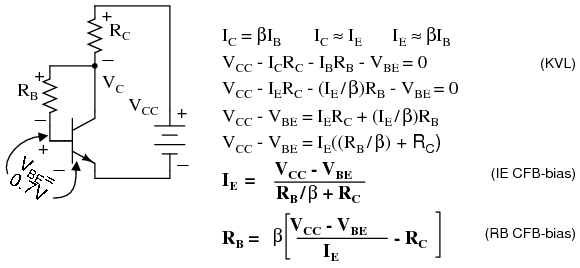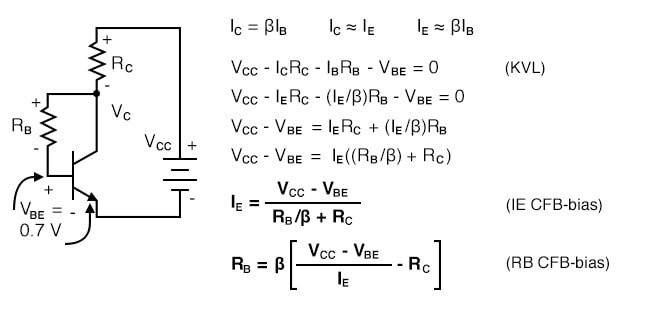
Have you ever wondered how to calculate VCC? Whether you’re an electronics enthusiast or a beginner in the field, understanding how to calculate VCC is key. VCC, also known as the supply voltage, is a vital measurement in electronic circuits. It determines the maximum voltage that can be applied to a device without causing damage. In this article, we will guide you through the steps to accurately calculate VCC, ensuring the safety and efficiency of your circuitry. So, let’s dive in and demystify the process of calculating VCC!
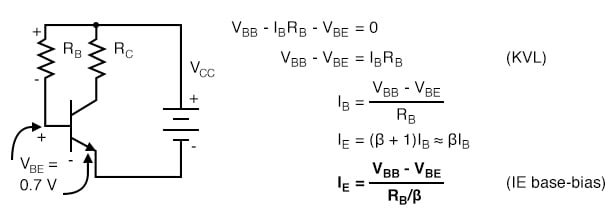
Understanding VCC
What is VCC?
VCC refers to the power supply voltage in an electronic circuit. It is the voltage that provides the necessary energy for a circuit to function properly. VCC can be derived from a variety of power sources, such as batteries, AC power adapters, or other power supply units. It is crucial to accurately calculate VCC in order to ensure the stability and performance of the circuit.
Importance of Calculating VCC
Calculating VCC is a critical step in the design and implementation of any electronic circuit. It plays a vital role in determining the functionality and reliability of the circuit. By accurately calculating VCC, you can prevent overvoltage or undervoltage issues, ensure proper power distribution, and protect the components from potential damage.
Components Used in VCC Calculation
To calculate VCC, several components come into play. These include the power supply itself, the load that the circuit is driving, voltage regulators (if used), and any other components that affect the overall voltage drop. It is essential to consider these components and their characteristics when calculating VCC accurately.
Determining Power Supply Voltage
Understanding Power Supply Specifications
Before calculating VCC, it is essential to have a thorough understanding of the power supply specifications. These specifications typically include the input voltage range, output voltage, current ratings, and efficiency. By knowing these details, you can choose an appropriate power supply and accurately determine the VCC.
Measuring Power Supply Voltage
Measuring the power supply voltage is a straightforward process using a multimeter. Simply connect the probes of the multimeter to the power supply terminals and read the voltage displayed on the multimeter. This measurement provides you with the actual voltage delivered by the power supply, which can be used in further calculations.
Calculating Average Power Supply Voltage
In some cases, the power supply voltage may fluctuate due to variations in load or other factors. To account for these fluctuations, it is useful to calculate the average power supply voltage. This can be done by taking multiple voltage measurements over a period of time and then calculating the average value. Using the average voltage ensures a more accurate VCC calculation.
Calculating Voltage Drop
Understanding Voltage Drop
Voltage drop refers to the decrease in voltage that occurs as current flows through a circuit and encounters resistance. It is important to calculate voltage drop accurately to prevent excessive power dissipation, overheating, and potential damage to the circuit components.
Determining Current Flow
To calculate voltage drop, you first need to determine the current flowing through the circuit. This can be done by measuring the current using a multimeter or by using Ohm’s Law, which states that current (I) is equal to voltage (V) divided by resistance (R). By identifying the current flow, you can proceed to calculate the voltage drop.
Calculating Voltage Drop across Load
Once you have determined the current flow, you can calculate the voltage drop across the load. The voltage drop is calculated by multiplying the current by the resistance of the load using Ohm’s Law (V = I * R). This value represents the voltage consumed by the load, which must be considered when calculating the overall VCC.
Considering Voltage Regulator Efficiency
If your circuit includes a voltage regulator, it is essential to account for its efficiency when calculating VCC. Voltage regulators may have a certain efficiency rating, meaning that not all the voltage provided to the regulator is delivered to the load. By considering the regulator’s efficiency, you can adjust your VCC calculation accordingly.
Accounting for Voltage Tolerance
Understanding Voltage Tolerance
Voltage tolerance refers to the acceptable range of voltage variations that a circuit can withstand. Different components and devices have specific voltage tolerance requirements, and it is crucial to calculate VCC within these tolerance limits to ensure proper functioning and reliability.
Checking Device Specifications
To account for voltage tolerance, it is important to check the specifications of the devices used in the circuit. These specifications usually provide information about the acceptable voltage range that the device can safely operate within. By considering the voltage tolerance of each device, you can adjust your VCC calculation to meet the requirements.
Calculating VCC with Tolerance
Once you have determined the voltage tolerance of the devices, you can calculate the VCC with the tolerance in mind. This involves adjusting the VCC calculation by incorporating the upper and lower limits of the voltage tolerance. By doing so, you can ensure that the circuit operates within the acceptable voltage range specified by the devices.
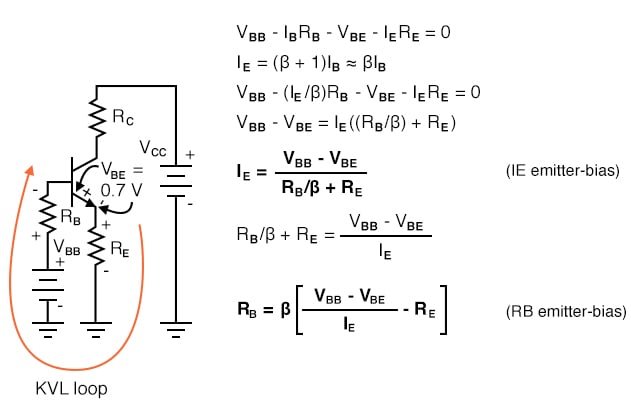
Taking into Account Power Dissipation
Understanding Power Dissipation
Power dissipation refers to the amount of power that is converted to heat within a circuit. Excessive power dissipation can cause overheating, component failure, and decreased circuit performance. It is crucial to calculate the power dissipation accurately and ensure that it is within the limits specified by the components.
Calculating Power Dissipation
To calculate power dissipation, you need to determine the current flowing through the circuit and the voltage dropped across each component. Power dissipation can be calculated using the formula P = I * V, where P represents power, I represents current, and V represents voltage. By summing up the power dissipated across all components, you can determine the total power dissipation.
Determining Allowed Power Dissipation
Every component has a maximum allowed power dissipation, which is specified in its datasheet or technical documentation. It is essential to ensure that the total power dissipation in the circuit does not exceed these limits. If the power dissipation is too high, adjustments to the VCC calculation may be necessary to maintain a safe operating range.
Adjusting VCC Calculation
If the calculated power dissipation exceeds the allowable limits, it may be necessary to adjust the VCC calculation. This can be done by considering alternative components with higher power ratings, improving heat dissipation techniques, or implementing additional circuitry to distribute the power effectively. By making appropriate adjustments, you can ensure that the circuit operates within safe power dissipation limits.
Incorporating Active Load Considerations
Understanding Active Loads
Active loads are components or devices within a circuit that consume significant amounts of power and actively contribute to the operation of the circuit. Examples of active loads include transistors, amplifiers, and microprocessors. When calculating VCC, it is important to consider the unique characteristics and power requirements of these active loads.
Determining Load Characteristics
To incorporate active loads into the VCC calculation, it is crucial to determine their characteristics. This includes identifying the power requirements, input/output voltages, and current consumption of the active loads. By understanding these characteristics, you can accurately calculate the VCC required to power these loads effectively.
Calculating VCC for Active Loads
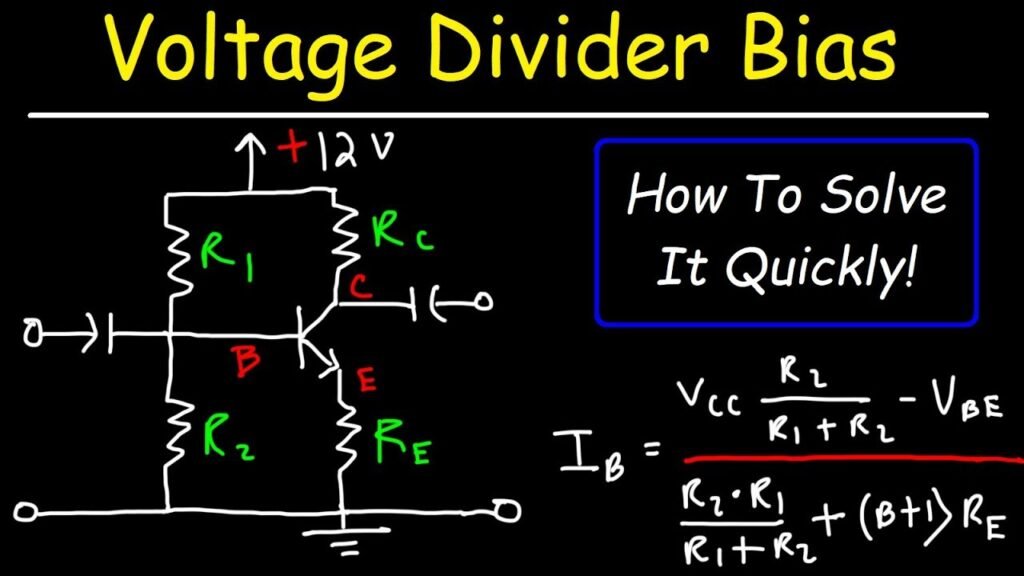
Once you have determined the load characteristics, you can calculate the VCC specifically for the active loads. This involves summing up the power requirements of the active loads and determining the voltage drop across each load. By calculating the VCC for the active loads separately, you can ensure that these critical components receive the necessary power for optimal performance.
Calculating VCC for Multiple Loads
Identifying All Loads
In some circuits, there may be multiple loads that need to be accounted for when calculating VCC. These loads can include both passive components and active loads. To accurately calculate VCC in such cases, it is essential to identify all the loads and their respective characteristics.
Calculating Individual Load Voltages
For each load, you need to calculate the voltage required to power that load individually. This involves considering the power requirements, voltage tolerances, and voltage drops across each load. By calculating the individual load voltages, you can ensure that each load receives the appropriate power supply voltage.
Summing Up Load Voltages
Once you have calculated the individual load voltages, you need to sum them up to determine the total VCC required for the multiple loads. This involves adding the voltages required for each load to create an overall VCC value that provides sufficient power to all the loads in the circuit.
Calculating VCC for Multiple Loads
Using the total load voltage calculated, you can determine the VCC for multiple loads by considering any additional factors such as voltage drops, tolerance, and load characteristics. By accounting for these factors, you can arrive at a comprehensive VCC calculation that supplies the necessary power to all the loads in the circuit.
Considering Noise Margin
Understanding Noise Margin
Noise margin refers to the difference between the minimum acceptable voltage level and the actual voltage level in a circuit. It accounts for the variation in voltage due to external interference or inherent circuit noise. Calculating VCC with an appropriate noise margin ensures that the circuit operates reliably in the presence of noise.
Determining Noise Margin Requirements
The noise margin requirements can vary depending on the sensitivity and tolerance limits of the devices in the circuit. It is crucial to determine the acceptable noise margin for each device and identify the minimum voltage level that ensures proper operation. By understanding these requirements, you can calculate VCC with an appropriate noise margin.
Calculating VCC with Noise Margin
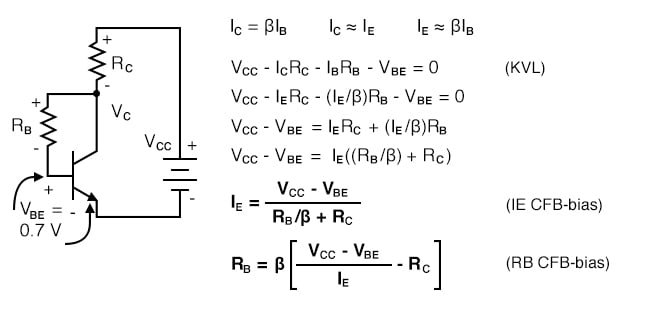
To calculate VCC with a noise margin, you need to consider the minimum acceptable voltage level and add the required noise margin to it. This ensures that the circuit operates above the threshold voltage, even in the presence of noise. By incorporating the noise margin into the VCC calculation, you can improve the reliability and robustness of the circuit.
Accounting for Voltage Transients
Understanding Voltage Transients
Voltage transients are temporary voltage fluctuations that may occur in a circuit due to various factors such as switching events, power supply disturbances, or electromagnetic interference. It is important to account for these transients when calculating VCC to ensure the stability and integrity of the circuit operation.
Determining Transient Specifications
To account for voltage transients, you need to determine the specifications of the transients that the circuit may encounter. This includes identifying the maximum amplitude and duration of the transients. By understanding these specifications, you can assess the impact of transients on the circuit and adjust the VCC calculation accordingly.
Calculating VCC for Voltage Transients
To calculate VCC for voltage transients, you need to consider the voltage amplitude and duration of the transients. This involves selecting an appropriate margin above the maximum transient voltage and adding it to the calculated VCC. By including this margin, you ensure that the circuit is capable of withstanding the transient events without compromising its operation.
Verifying VCC Calculations
Using Simulation Tools
To verify the accuracy of your VCC calculations, you can utilize simulation tools. These tools allow you to simulate the circuit operation and observe the voltage levels at different points in the circuit. By comparing the simulated results with the calculated VCC, you can ensure that the circuit operates within the desired parameters.
Performing Actual Measurements
Performing actual measurements on the circuit can provide further confirmation of the VCC calculations. This involves using appropriate testing equipment to measure the voltages at critical points in the circuit and comparing them to the calculated VCC. By validating the VCC through actual measurements, you can have confidence in the accuracy of your calculations.
Ensuring Compatibility with Devices
Lastly, it is important to ensure that the calculated VCC is compatible with the devices used in the circuit. This can be done by cross-referencing the VCC requirement specified in the device datasheets or technical documentation. By verifying the compatibility, you can confirm that the calculated VCC meets the requirements of the devices and guarantees their proper operation.
In conclusion, understanding how to calculate VCC is essential for designing and implementing electronic circuits. By considering factors such as power supply voltage, voltage drop, voltage tolerance, power dissipation, active load considerations, multiple loads, noise margin, voltage transients, and verification techniques, you can accurately determine the VCC required for a circuit. Taking the time to calculate VCC properly ensures the stability, reliability, and optimal performance of the circuit, leading to successful electronic projects.