Have you ever come across the acronym VCC and wondered what it means? In this article, we will unravel the mystery behind VCC and shed light on its significance. Whether you’ve stumbled upon it while browsing online or heard someone mention it, understanding the meaning of VCC is essential in today’s digital age. So, let’s embark on this enlightening journey together and discover what lies behind the enigmatic abbreviation.
Understanding VCC
Definition of VCC
VCC stands for “Virtual Credit Card,” which is a digital payment solution that allows users to make online purchases without using their physical credit or debit cards. It is a virtual representation of a credit card, complete with a unique card number, expiration date, and security code. VCCs are typically issued by financial institutions or payment service providers and can be used for both one-time transactions and recurring payments.
The Origin of VCC
The concept of VCCs originated as a response to the growing need for secure and convenient online payment methods. With the increasing popularity of e-commerce and digital transactions, consumers were seeking alternative solutions that would protect their sensitive financial information while allowing them to shop online with ease. The development of VCC technology was a significant step towards meeting these demands.
Importance of VCC
VCCs play a crucial role in modern-day finance and technology, offering numerous benefits to both individuals and businesses. By providing secure and convenient means of online transactions, VCCs have revolutionized the way people shop and do business in the digital world. Moreover, VCCs have paved the way for advancements in various sectors, such as finance, technology, and electronics, making them an indispensable tool in today’s interconnected and fast-paced society.
Applications of VCC
Virtual Credit Cards
One of the primary applications of VCCs is in the form of virtual credit cards. These VCCs are typically issued by financial institutions and can be used for online purchases, just like traditional credit cards. However, unlike physical credit cards, virtual credit cards do not have a physical form and exist solely in the digital realm. This makes them an ideal tool for secure online transactions, as their digital nature minimizes the risk of card theft or fraud.
Verifiable Cryptographic Codes
VCCs also find application in the realm of cryptography. Cryptographic codes are used to secure and encrypt sensitive information, and VCCs can be used as a means of verifying the authenticity and integrity of these codes. By utilizing VCCs as a trusted source of verification, cryptographic systems can ensure the validity and credibility of the information being transmitted, thereby enhancing security in various digital communication channels.
Voltage Control Circuitry
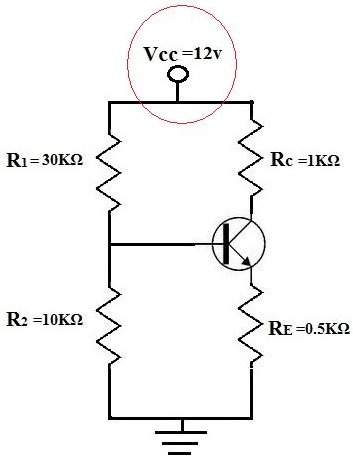
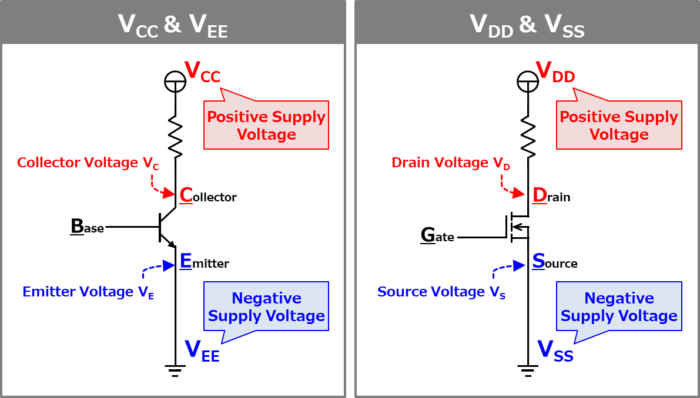
In the field of electronics, VCCs find application in voltage control circuitry. Voltage control is a critical aspect of many electronic devices, as it determines the stability and functionality of various components. VCCs, in the form of voltage control capacitors or VRM controller chips, help regulate and stabilize the voltage levels within electronic circuits, ensuring optimal performance and reliability.
VCC in Finance
VCC in Digital Payments
VCCs have had a significant impact on the realm of digital payments. By providing a secure and convenient payment method for online purchases, VCCs have become increasingly popular among individuals and businesses alike. With a VCC, you can make purchases on e-commerce platforms, pay bills, and access various online services without having to expose your physical card details. This added layer of security makes VCCs a preferred choice for many in the digital finance space.
Benefits of VCC in Finance
VCCs offer several benefits in the realm of finance. Firstly, they provide enhanced security by keeping your actual credit card details private. This greatly reduces the risk of fraud or identity theft, as VCCs provide a separate layer of protection between your sensitive financial information and potential hackers or scammers. Additionally, VCCs allow for easy management of online transactions, with the ability to set spending limits, track expenses, and easily cancel or replace virtual cards if needed.
Security Measures for VCC
To ensure the security of VCC transactions, various security measures are in place. One common security feature is the use of one-time-use virtual card numbers. These numbers are generated for each transaction and cannot be used for any other purpose, adding an extra layer of protection against unauthorized access or fraudulent activities. Additionally, advanced encryption techniques are employed to safeguard the transmission of cardholder data, ensuring that sensitive information remains encrypted and secure.
VCC in Technology
Virtual Card Numbers
In the realm of technology, VCCs find application in the form of virtual card numbers. These numbers are temporary and can be generated for specific online transactions. By using a virtual card number, you can protect your actual credit card details while still being able to make the purchase. This is particularly useful when dealing with unfamiliar or potentially untrustworthy online merchants, as it minimizes the risk of unauthorized charges or data breaches.
Virtual Customer Chats
Another application of VCCs in technology is in the realm of customer service. Many businesses now offer virtual customer chat support, allowing customers to interact with a customer service representative through an online chat interface. VCCs can be used to facilitate secure and seamless payment transactions within these virtual customer chats, enabling customers to make purchases or resolve payment-related issues without ever leaving the chat platform.
Virtual Console Commands
VCCs also have applications in the world of technology infrastructure and administration. In certain contexts, such as remote server management or command-line interfaces, virtual console commands can be utilized to execute specific actions on a remote system. VCCs can be used as a means of authentication and authorization to ensure that only authorized individuals have access to these virtual console commands, thereby enhancing security and control over critical technology systems.

VCC in Electronics
Voltage Control Capacitor
VCCs find application in electronics through voltage control capacitors. These capacitors are used to stabilize and regulate voltage levels within electronic circuits, ensuring proper functioning of various components. Voltage control capacitors play a crucial role in maintaining power stability, preventing voltage fluctuations that could detrimentally affect the performance or longevity of electronic devices.
VRM Controller Chips
VRM (Voltage Regulator Module) controller chips are another application of VCCs in the field of electronics. These chips are responsible for regulating and controlling the voltage supplied to the central processing unit (CPU) of a computer. By utilizing VCCs within these controller chips, manufacturers can ensure precise and accurate voltage control, promoting optimal performance and stability of the CPU.
Voltage-Controlled Oscillator
VCCs are also utilized in voltage-controlled oscillators (VCOs), which are electronic devices that generate oscillating signals whose frequencies are determined by the voltage applied to them. VCOs find application in various fields, such as telecommunications, frequency synthesis, and modulation. By utilizing VCCs, the frequency and performance of voltage-controlled oscillators can be finely controlled and adjusted, enabling their application in a wide range of electronic systems.
Advantages of VCC
Enhanced Security
One of the significant advantages of VCCs is the enhanced security they offer. Since VCCs do not require the direct use of physical credit cards, the risk of card theft or fraudulent activities is greatly reduced. With each transaction having a unique virtual card number, the chances of unauthorized access or misuse of card information are significantly minimized. This added layer of security provides peace of mind for both consumers and businesses.
Convenience and Flexibility
VCCs also offer a high level of convenience and flexibility. With a VCC, you can make online purchases from anywhere at any time, without the need to have your physical credit card on hand. This makes VCCs an ideal solution for frequent travelers, digital nomads, and individuals who value the convenience of shopping online. Additionally, VCCs can be easily set up, managed, and canceled as needed, providing users with a greater degree of control over their finances.
Increased Control over Finances
VCCs provide users with increased control over their finances by allowing them to set spending limits and allocate funds specifically for online transactions. This helps individuals stay within their budget and prevent overspending, as the virtual card can only be used up to the pre-set limit. Furthermore, since VCCs are not tied to a traditional credit account, they can be utilized to separate online spending from regular banking activities, helping users better track and manage their financial transactions.

Disadvantages of VCC
Limited Acceptance
One of the primary disadvantages of VCCs is their limited acceptance compared to traditional credit cards. While VCCs are widely accepted on many online platforms, there are still some merchants or service providers that do not accept virtual credit cards. This can be a limitation for individuals who primarily rely on VCCs for their online transactions, as it may restrict their purchasing options or require them to use alternative payment methods.
Potential for Fraudulent Activities
Despite the enhanced security measures, VCCs are not entirely immune to fraudulent activities. Since VCCs are primarily used for online transactions, they can still be vulnerable to phishing scams, hacking attempts, or other forms of cybercrime. It is essential for users to remain vigilant, adopt proper security practices, and only use reputable and secure platforms when making online payments with VCCs.
Internet Dependency
Another drawback of VCCs is their reliance on internet connectivity. Since VCCs are primarily digital in nature, they require an internet connection to function properly. This can be a disadvantage in situations where internet access is limited or unreliable, as it may hinder the ability to complete online transactions or make purchases when needed. Additionally, any disruptions in internet connectivity may temporarily impact the usability of VCCs.
VCC vs. Traditional Credit Cards
Differences in Functionality
While VCCs and traditional credit cards serve the same purpose of facilitating payments, there are notable differences in their functionality. VCCs exist solely in the virtual realm and are primarily used for online transactions, whereas traditional credit cards can be used for both in-person and online purchases. Additionally, VCCs often have specific expiration dates and spending limits, whereas traditional credit cards have ongoing validity and credit limits assigned by the issuing financial institution.
Risk Factors
When comparing VCCs to traditional credit cards, there are varying risk factors to consider. Traditional credit cards, being physical objects, are susceptible to theft, loss, or skimming. On the other hand, VCCs are digitally secured and have unique numbers for each transaction, minimizing the risk of physical theft or unauthorized access. However, VCCs may be more susceptible to online fraud or hacking attempts, requiring users to remain vigilant and cautious when using them for online transactions.
Ownership and Liability
Ownership and liability also differ between VCCs and traditional credit cards. Traditional credit cards are owned by the individual or entity listed on the card and the liability for fraudulent charges is often limited by regulations and agreements with the card issuer. In contrast, VCCs are usually issued by financial institutions or payment service providers, and the liability for fraudulent charges is typically covered by the provider, offering an added layer of protection for users.
Considerations for Choosing a VCC
Security Features
When choosing a VCC, it is important to consider the security features offered by the provider. Look for VCCs that utilize one-time-use virtual card numbers, as they provide an extra layer of security for online transactions. Additionally, ensure that the VCC provider employs robust encryption methods to protect cardholder data during transmission.
Transaction Fees
Transaction fees vary across different VCC providers, so it is crucial to compare and evaluate the fees associated with using a VCC. Some providers may charge fees for card issuance, loading funds onto the virtual card, or even for each transaction made. Consider your expected usage and choose a VCC with fee structures that align with your needs and budget.
Compatibility with Online Merchants
Before opting for a specific VCC, verify its compatibility with the online merchants or platforms you frequently use or intend to use. Not all merchants accept virtual credit cards, so it is important to ensure that the VCC you choose can be used on your preferred online platforms. This will help avoid any inconveniences or limitations when making online purchases.
Future Outlook of VCC
Integration with Blockchain Technology
The future of VCCs holds the potential for integration with blockchain technology. Blockchain, with its decentralized and transparent nature, can enhance the security and efficiency of VCC transactions. By incorporating blockchain into VCC systems, users would benefit from increased security, faster transaction processing, and improved transparency in their financial dealings.
Expansion of VCC Usage
The usage of VCCs is expected to continue its expansion, driven by the growing demand for secure and convenient online payment methods. As more individuals and businesses embrace e-commerce and digital transactions, VCCs will play an increasingly vital role in facilitating these transactions, offering ease of use, enhanced security, and increased control over financial transactions.
Impact on Financial Industry
VCCs will have a significant impact on the financial industry, reshaping the way people manage their finances and conduct transactions. As consumers increasingly adopt VCCs, traditional banking methods may need to adapt to meet the changing needs of individuals, with financial institutions embracing digital technologies and providing seamless integration of VCCs into their services. The widespread adoption of VCCs is likely to spur innovation, competition, and advancement in the financial industry as a whole.
In conclusion, VCCs have become an integral part of the modern digital landscape, providing secure and convenient means of online transactions. With their applications ranging from digital payments to technology and electronics, VCCs have revolutionized the way people transact in various sectors. While offering advantages such as enhanced security, convenience, and increased control over finances, VCCs also come with disadvantages such as limited acceptance and potential for fraudulent activities. As VCC technology continues to evolve and adapt, it is important for individuals and businesses to consider the given factors when choosing a VCC provider and staying informed about the future developments in this rapidly changing financial landscape.