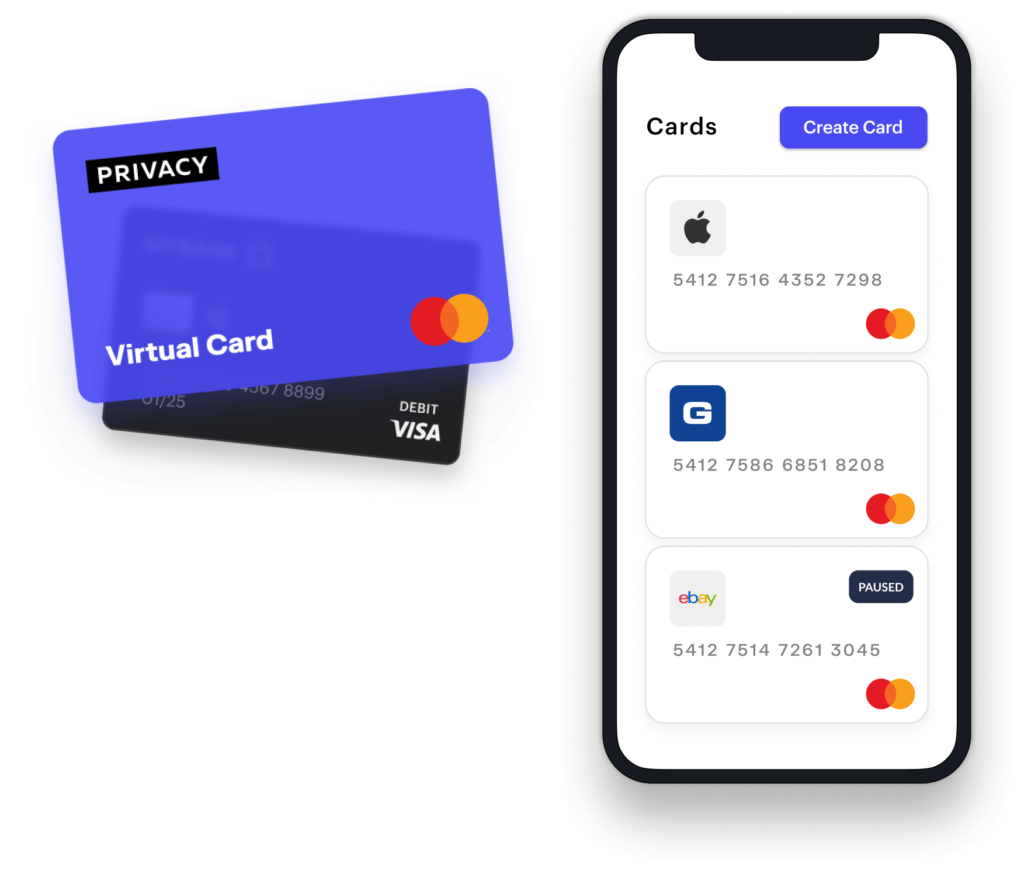
So you’re interested in learning how to create a virtual credit card, huh? Well, you’ve come to the right place! In this article, we’ll walk you through the step-by-step process of setting up your very own virtual credit card. Whether you’re looking for added security when making online purchases or wanting to discreetly manage your expenses, a virtual credit card can be a game-changer. So grab your laptop, sit back, and get ready to unlock the world of virtual payments!
Understanding Virtual Credit Cards
What is a Virtual Credit Card?
A virtual credit card is a digital form of payment that allows you to make online transactions without having to use your physical credit card. It is essentially a temporary credit card number that is generated specifically for a single transaction or a limited period of time. Virtual credit cards provide an added layer of security and help protect your personal and financial information from being exposed to potential online threats.
How Does a Virtual Credit Card Work?
When you make a purchase using a virtual credit card, the card details are transmitted securely to the merchant. The payment is then processed just like it would be with a physical credit card. However, unlike a traditional credit card, the virtual credit card information is self-destructive, meaning that once the transaction is complete, the card number becomes unusable, reducing the risk of unauthorized charges or identity theft.
Benefits of Virtual Credit Cards
Virtual credit cards offer several advantages for online shoppers. Firstly, they provide an extra layer of security by keeping your actual credit card details hidden from potential hackers or fraudsters. Additionally, since virtual credit cards have limited funds or expiration dates, they can help you control your spending and avoid overspending. Virtual credit cards also offer convenience, as they can be easily generated and used for online transactions without the need to carry physical cards.
Selecting a Virtual Credit Card Provider
Research Different Providers
When selecting a virtual credit card provider, it is important to research and compare the different options available. Look for reputable providers that have a track record of secure transactions and reliable customer service. Consider factors such as the provider’s reputation, user reviews, and the availability of customer support.
Consider Features and Benefits
Each virtual credit card provider may offer different features and benefits. Some providers may offer additional security measures such as multi-factor authentication or transaction alerts, while others may provide features like spending limits or expiration date customization. Consider your needs and preferences to choose a provider that offers the features that are most important to you.
Read User Reviews
To get an idea of other users’ experiences with a particular virtual credit card provider, read user reviews and testimonials. These reviews can provide insights into the provider’s reliability, customer service, and overall user satisfaction. Pay attention to both positive and negative reviews to make an informed decision.
Compare Fees and Charges
Virtual credit card providers may charge fees for certain services or transactions. It is essential to carefully compare the fees and charges associated with different providers to ensure that you understand all the costs involved. Look for providers that offer transparent fee structures and reasonable charges that align with your budget and usage requirements.
Setting Up a Virtual Credit Card Account
Choose a Provider
Once you have researched and selected a virtual credit card provider, visit their website to begin the account setup process. Make sure the provider offers the features and benefits that fulfill your needs.
Navigate to the Provider’s Website
Open your preferred web browser and navigate to the website of the chosen virtual credit card provider. Most providers will have a dedicated page or section for account creation or sign-up.
Click on ‘Sign Up’ or ‘Create Account’
On the provider’s website, click on the ‘Sign Up’ or ‘Create Account’ button to initiate the account registration process. This will typically redirect you to a registration page where you will need to provide some personal information.
Fill in Personal Information
Fill in the required personal information on the registration page. You may be asked to provide details such as your full name, email address, phone number, and mailing address. Ensure that you input accurate information to avoid any issues during the verification process.
Follow Verification Process
After submitting your personal information, the provider may require you to go through a verification process. This process is typically done to confirm your identity and ensure the security of your account and transactions. Follow the instructions provided by the provider to complete the verification process successfully.
Secure Your Account with a Strong Password
Once your account is created and verified, it is crucial to secure it with a strong password. Choose a password that is unique and not easily guessable. Use a combination of uppercase and lowercase letters, numbers, and special characters to create a strong password that is difficult to crack. Avoid using personal information or common passwords.
Linking Funding Source
Choose Funding Source
Before you can start using your virtual credit card, you need to link a funding source. This can be your bank account or an existing credit card. Make sure you have the necessary information regarding the funding source to link it successfully.
Add Bank Account or Credit Card
Navigate to the settings or linked accounts section of your virtual credit card account. Choose the option to add a bank account or credit card as your funding source. Follow the instructions provided by the provider to input the required information accurately.
Verify the Linked Source
To ensure the security and validity of your funding source, the virtual credit card provider may require a verification process. This may involve confirming a small deposit or charge to your bank account or credit card, which you will need to verify by providing the specific transaction details. Follow the provider’s instructions to complete the verification successfully.
Generating a Virtual Credit Card
Access Your Account Dashboard
Once your funding source is linked, access your virtual credit card account dashboard on the provider’s website. Log in using your account credentials and navigate to the section where you can generate virtual credit cards.
Select ‘Generate Virtual Card’ Option
Click on the ‘Generate Virtual Card’ option or a similar button that allows you to create a new virtual credit card. This will usually open a form or page where you can input the desired card details.
Enter Desired Card Details
In the virtual card creation form, enter the necessary details for the virtual credit card, such as the cardholder name, billing address, and expiration date. It is important to enter accurate information to ensure smooth transactions and avoid any issues with the card’s acceptance.
Set Spending Limit (If Applicable)
Some virtual credit card providers offer the option to set spending limits for each virtual card you generate. This can be useful if you want to have more control over your spending or restrict the card’s usage to a specific amount. If applicable, enter the desired spending limit in the designated field.
Confirm and Create the Virtual Credit Card
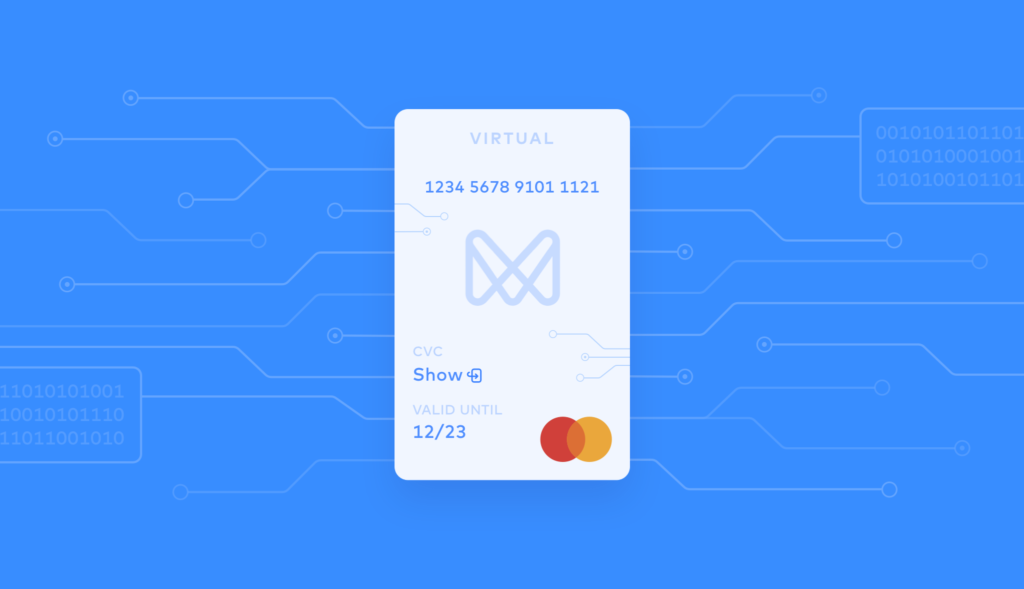
Double-check all the entered details on the virtual card creation form to ensure their accuracy. Once you are satisfied with the information, click on the ‘Confirm’ or ‘Create’ button to generate the virtual credit card. The provider will then provide you with the card details, including the card number, expiration date, and CVV code.
Using a Virtual Credit Card
Copy Virtual Card Details
After generating a virtual credit card, copy the card details provided by the virtual credit card provider. This includes the card number, expiration date, and CVV code. Make sure to store this information securely and avoid sharing it with anyone.
Use Card Information for Online Transactions
When making online purchases or transactions, input the virtual credit card details in the respective payment fields. Provide the card number, expiration date, and CVV code as required. It is important to ensure that you are on a secure website or platform before entering any payment information.
Keep the Card Information Confidential
One of the primary advantages of virtual credit cards is their extra layer of security. To maximize this security, it is crucial to keep the card information confidential. Avoid sharing the details with anyone, especially unauthorized individuals or suspicious websites.
Monitor Card Transactions
Regularly check your virtual credit card account or dashboard to monitor and review the transactions made using your virtual cards. This will help you identify any unauthorized or suspicious activity promptly. If you notice any unrecognized transactions, contact your virtual credit card provider immediately to resolve the issue.
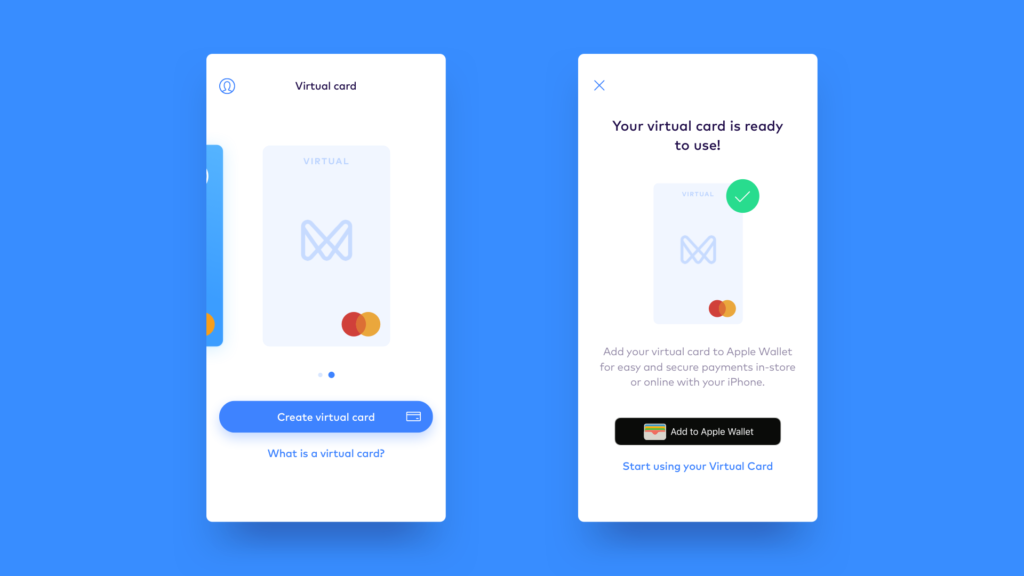
Managing Virtual Credit Card
View Virtual Card Details
Within your virtual credit card account, you can access detailed information about each virtual card you have generated. This may include the card number, expiration date, CVV code, spending limits (if applicable), and transaction history. This information can help you keep track of your virtual credit card usage.
Check Balance and Available Credit
To manage your virtual credit card effectively, check your account balance and available credit regularly. This will allow you to monitor your spending and ensure that you have sufficient funds available for your virtual credit card transactions.
Set Card Expiration Date
Some virtual credit card providers allow you to set the expiration date for each virtual card. This option can be useful if you want to limit the card’s validity to a specific timeframe or synchronize it with your specific payment needs. Adjust the expiration date as per your requirements within the account settings.
Activate and Deactivate Cards
Depending on the provider, you may have the option to activate or deactivate virtual cards as needed. This can help you manage the usage and security of your cards. Activate a card when you plan to use it and deactivate it when you want to pause or restrict its usage temporarily.
Update Card Information
If any of your personal details change, such as your billing address or contact information, ensure that you update your virtual credit card account accordingly. This will help maintain the accuracy of your account information and avoid any hurdles during transactions.
Close Virtual Credit Card
In cases where you no longer require a particular virtual credit card, some providers offer the option to close or deactivate it permanently. This can help declutter your virtual credit card dashboard and prevent any potential misuse of the card. Follow the provider’s instructions to close the virtual credit card securely.
Understanding Security Measures
Encryption and Secure Transmission
Virtual credit card providers prioritize security by encrypting the communication between your device and their servers. This ensures that your card details and transaction data are transmitted securely, reducing the risk of interception or unauthorized access.
Multi-Factor Authentication
To enhance the security of your virtual credit card account, many providers offer multi-factor authentication. This typically involves an additional verification step, such as entering a unique code sent to your registered email address or phone number. Enabling multi-factor authentication adds an extra layer of protection against unauthorized access.
Usage Restrictions and Controls
Virtual credit cards often come with usage restrictions and controls that allow you to customize their usage. These may include setting spending limits, transaction type restrictions, or even restricting the card’s usage to specific merchants or online platforms. Take advantage of these features to further enhance the security and control over your virtual credit card transactions.
Notification and Alert Services
Many virtual credit card providers offer notification and alert services to keep you informed about your account activity. These services can notify you via email or text message whenever a transaction is made using your virtual card or when your account balance reaches certain thresholds. Stay updated with these notifications to quickly identify any suspicious or unauthorized transactions.

Potential Limitations and Considerations
Restricted Acceptance by Merchants
While virtual credit cards are increasingly becoming popular, not all merchants or online platforms may accept them as a valid form of payment. Before making a purchase, ensure that the merchant or website supports virtual credit card payments to avoid any inconveniences.
Limited Use for Physical Point of Sale
As the name suggests, virtual credit cards primarily cater to online transactions. These cards are not designed for physical point-of-sale purchases in brick-and-mortar stores. If you frequently make in-person purchases, a traditional physical credit card would be more suitable.
Expiration and Renewal Process
Virtual credit cards typically have expiration dates or limited usage periods. Once a virtual card reaches its expiration date, it becomes unusable. Renewal processes may vary among providers, so be aware of the expiration and renewal requirements to avoid any disruptions in your online payment needs.
Potential Technical Glitches
Like any digital service, virtual credit card systems may occasionally encounter technical glitches or malfunctions. These glitches can cause inconvenience during transactions or account management. It is important to choose a reputable provider known for reliable system performance and prompt technical support.
Account Management and Support
Managing a virtual credit card account may require familiarity with the provider’s online platform or mobile app. While most virtual credit card providers strive to offer user-friendly interfaces, users may still encounter challenges or need assistance. Ensure that the provider offers reliable customer support channels, such as phone, email, or live chat, to address any account management or support inquiries.
Protecting Your Virtual Credit Card
Keep Card Details Secure
To protect your virtual credit cards from unauthorized access or misuse, it is crucial to keep the card details secure. Avoid sharing the card details with anyone and store them securely in a password-protected digital vault or a physical location known only to you.
Regularly Monitor Card Activity
Monitoring your virtual credit card account activity on a regular basis is an essential step in keeping your cards secure. Look out for any unfamiliar transactions and report them immediately to your virtual credit card provider. Prompt action can help prevent further unauthorized usage and ensure the security of your funds.
Update Antivirus Software
To protect your devices from potential malware or viruses that could compromise your virtual credit card information, keep your antivirus software up to date. Regularly scan your devices for any potential threats, and promptly address any security vulnerabilities that may arise.
Avoid Suspicious Websites or Emails
Exercise caution when browsing the internet or accessing your virtual credit card account online. Be wary of suspicious websites, links, or emails that could be phishing attempts aiming to steal your card details or personal information. Avoid clicking on unfamiliar or suspicious links and only use trusted, secure websites for your online transactions.
Report Any Unauthorized Activity
If you notice any unauthorized activity or suspect that your virtual credit card information has been compromised, report it to your virtual credit card provider immediately. They will guide you through the necessary steps to protect your account and investigate any potential fraud incidents.