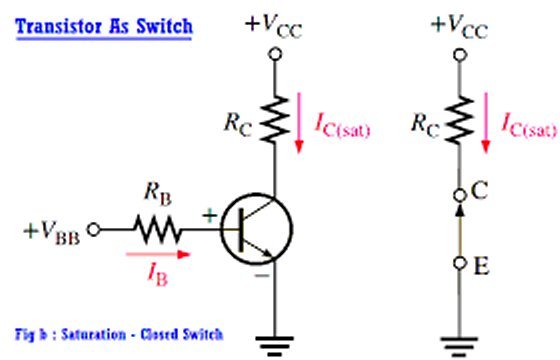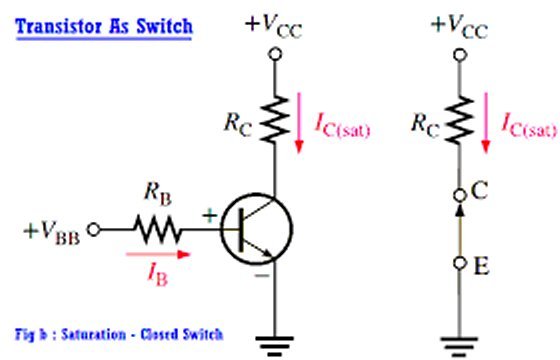
Today, you will embark on an exciting journey as we uncover the secrets of finding VCC in a transistor. Whether you’re a novice or a seasoned enthusiast, this beginner’s guide will equip you with the knowledge you need to navigate the intricate pathways of the VCC circuit. Prepare to unravel the mysteries and discover the hidden power behind these tiny electronic components. So, grab your magnifying glass and let’s begin our quest to unravel the enigma of VCC in a transistor.
Understanding Transistors
Transistors are electronic devices that play a crucial role in the world of electronics. They are essentially tiny switches that can control the flow of electric current in a circuit. By understanding how transistors work, you can unlock a world of possibilities in electronic design and troubleshooting.
What is a Transistor?
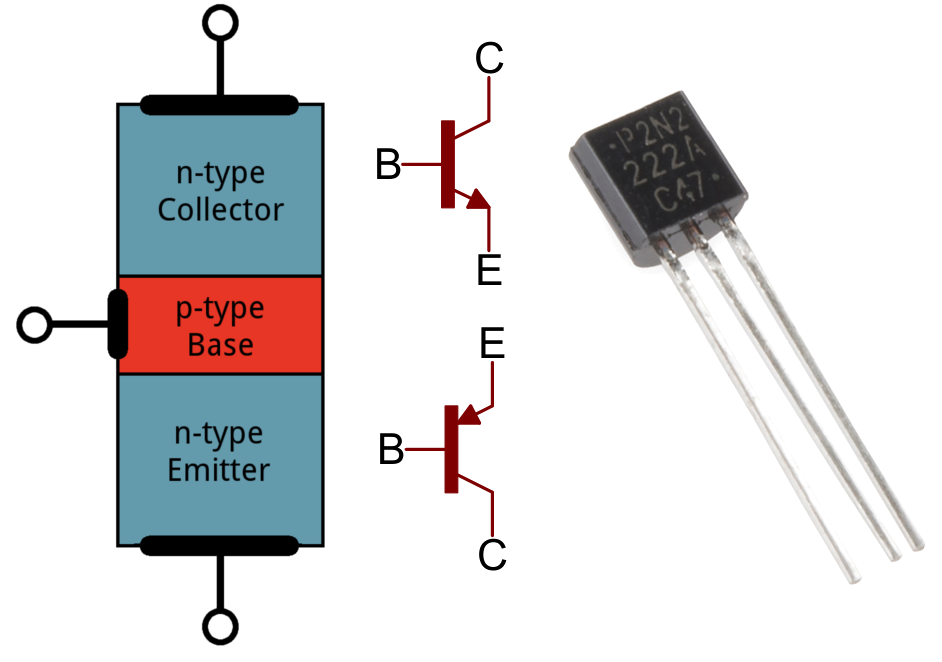
A transistor is a three-terminal device made up of semiconductor materials such as silicon or germanium. The three terminals are referred to as the collector, base, and emitter. These terminals control the flow of current in the transistor, allowing it to amplify or switch electronic signals.
The Different Types of Transistors
There are several types of transistors available, each with its own unique characteristics and applications. The most common types include bipolar junction transistors (BJTs) and field-effect transistors (FETs). BJTs are further divided into NPN and PNP transistors, while FETs have subtypes such as MOSFETs and JFETs. It is important to understand the differences between these transistor types to choose the right one for your specific needs.
Importance of VCC in Transistors
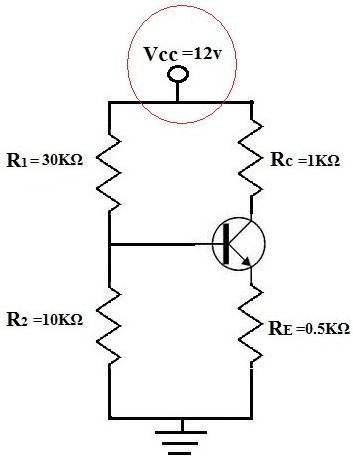
VCC, which stands for “voltage at the collector with respect to the common terminal,” is a critical parameter when working with transistors. It refers to the power supply voltage applied to the collector terminal of the transistor. Understanding VCC and being able to determine its value is crucial for proper transistor operation and circuit design.
What is VCC and its Role in Transistors
VCC serves as the power source for the transistor. It provides the necessary voltage for the transistor to operate and perform its intended function. Without an accurate and appropriate VCC voltage, a transistor may not function correctly or may even be damaged.
Why Finding VCC is Necessary
Determining the VCC voltage of a transistor is essential for various reasons. Firstly, it enables you to understand the power requirements of the transistor and design the circuit accordingly. Secondly, knowing the VCC voltage allows you to ensure that the power supply can deliver the required voltage level. Lastly, by identifying VCC, you can troubleshoot issues related to insufficient power supply or incorrect voltage levels affecting transistor performance.
Identifying Transistor Pins
Before finding the VCC of a transistor, it is important to be able to identify the different pins or terminals of the transistor correctly. The pin configuration can vary depending on the transistor type and manufacturer. However, there are common methods and techniques that can help you identify the pins accurately.
Pin Configuration of a Transistor
To identify transistor pins, it is crucial to refer to the datasheet provided by the manufacturer. The datasheet contains detailed information about the transistor, including pin configuration. It usually includes a pin diagram that illustrates the arrangement and labeling of each pin. By carefully examining the datasheet, you can familiarize yourself with the pin layout of the specific transistor you are working with.
Pin Identification on Popular Transistors
For commonly used transistors, such as the BC547 or 2N3904, the pinout information is widely available online. You can search for the specific transistor model and find resources like datasheets, pin diagrams, and even images that show the pin configuration. These resources can help you confidently identify the collector, base, and emitter pins of the transistor.
Determining VCC in a Transistor
Now that you know how to identify transistor pins, let’s delve into the various methods to determine the VCC voltage. There are multiple approaches you can take, depending on the available resources and the level of accuracy required for your specific application.
Reading the Datasheet
The datasheet is a valuable resource when it comes to finding VCC voltage. Most transistor datasheets provide the necessary specifications, including the VCC value. Look for a section labeled “Absolute Maximum Ratings” or “Electrical Characteristics,” where the VCC specification should be mentioned. Pay attention to any recommended voltage ranges or limitations to ensure that you stay within the transistor’s safe operating conditions.
Checking the Markings on the Transistor
In some cases, the VCC voltage may be indicated directly on the transistor itself. Transistors often have manufacturer markings that provide valuable information, including voltage specifications. These markings can include codes or alphanumeric characters that indicate the part number and voltage-related data. By deciphering these markings, you can determine the VCC voltage within certain limitations.
Using a Multimeter to Measure VCC
Another method to measure the VCC voltage is by using a multimeter. A multimeter is a versatile tool that can measure various electrical parameters, including voltage. To determine VCC, set the multimeter to the voltage measuring mode and carefully connect the probes to the pins corresponding to the collector and emitter of the transistor. The multimeter should display the VCC voltage, allowing you to accurately measure it.
Identifying the Base-Emitter Junction
The base-emitter (BE) junction can also provide a clue about the VCC voltage of a transistor. The BE junction is a diode-like structure within the transistor that can give insights into the transistor’s voltage ratings. By examining the voltage drop across the BE junction using a voltage measurement tool, you can estimate the VCC voltage within certain limits.
Reading the Datasheet
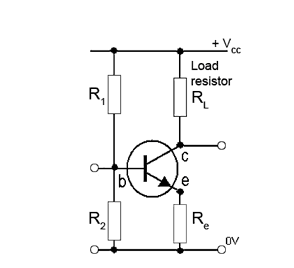
To find the VCC specification in the datasheet, locate the section usually labeled “Electrical Characteristics” or “Absolute Maximum Ratings.” In this section, you will find a range of parameters, including VCC. The datasheet will mention the voltage range or maximum voltage that can be applied to the collector terminal. It is crucial to consider these specifications to ensure proper transistor operation and avoid damaging the device.
Understanding Voltage Ratings and Ranges
When reading the datasheet, pay attention to additional voltage-related information, besides VCC. Look for parameters such as breakdown voltages, collector-emitter voltages (VCEO), and saturation voltages. These ratings define the safe operating conditions and limitations of the transistor. Understanding these specifications is crucial for selecting the right transistor for your application and avoiding any potential issues.
Checking the Markings on the Transistor
Transistors often have markings that can provide valuable information about their characteristics, including the VCC voltage. These markings can include the part number, manufacturer codes, and voltage-related symbols or alphanumeric characters.
Interpreting Part Numbers
Part numbers on transistors typically have a specific format that includes key information. For example, in the part number “BC547,” the “BC” indicates the type of transistor, while the “547” represents additional specifications. By referring to manufacturer resources or datasheets, you can interpret the part number to extract relevant information about the VCC voltage.
Decoding Manufacturer Codes
Sometimes, transistors may have additional manufacturer codes or markings that provide insights into their characteristics. These codes can include symbols or characters that represent specific voltage ratings. By referring to the manufacturer’s code decoding guide or contacting the manufacturer directly, you can decipher these markings and identify the VCC voltage.
Identifying Voltage-related Markings
Transistors may have markings related to voltage, such as letters or symbols that represent voltage ratings. For example, the symbol “V” followed by a numeric value can indicate the VCC voltage. By familiarizing yourself with common voltage-related markings, you can quickly identify the VCC voltage of a transistor by examining its markings.
Using a Multimeter to Measure VCC
A multimeter is a versatile tool that can be used to measure the VCC voltage accurately. Here’s how you can employ a multimeter to determine the VCC of a transistor:
Selecting the Proper Setting
Set your multimeter to the voltage measuring mode and choose an appropriate voltage range that covers the expected VCC voltage. If you are unsure about the voltage range, start with the highest range and gradually decrease it until you get a precise measurement.
Connecting the Multimeter
Carefully connect the multimeter probes to the collector and emitter pins of the transistor. Ensure that the positive (red) probe is connected to the collector pin and the negative (black) probe is connected to the emitter pin.
Measuring VCC Voltage
Once the probes are connected, observe the multimeter display. It should indicate the VCC voltage. Take note of the VCC value or use a hold function (if available) to freeze the voltage reading for further analysis or reference.
Identifying the Base-Emitter Junction
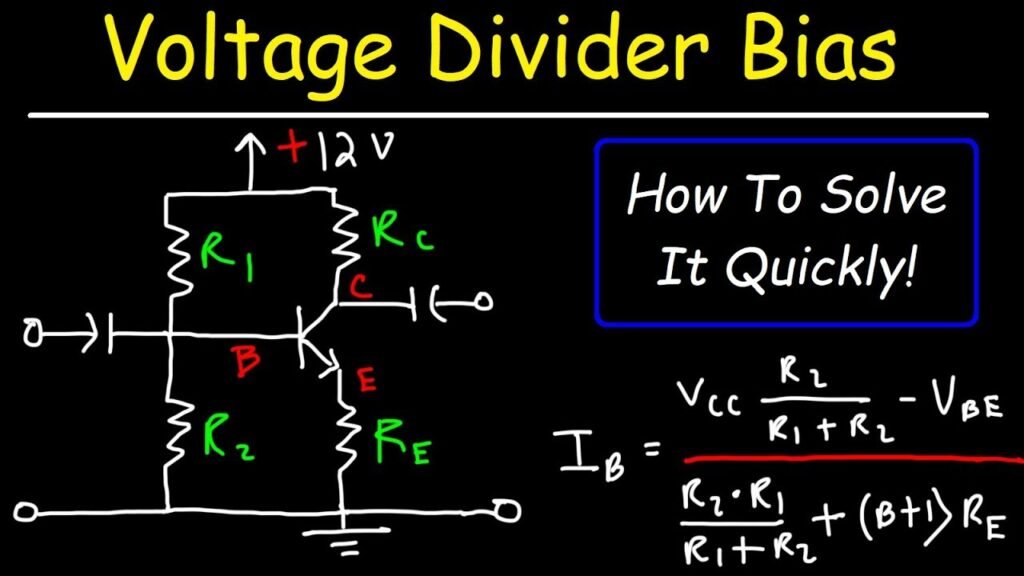
The base-emitter (BE) junction is an important region within a transistor that can provide insights into its voltage characteristics, including VCC. By understanding how to identify and test the BE junction, you can gain valuable information about the VCC voltage.
Understanding the BE Junction
The BE junction is essentially a diode-like structure within the transistor. It consists of the base and emitter regions and exhibits properties similar to a diode. By analyzing the voltage drop across the BE junction, you can obtain an approximate value of the VCC voltage.
Testing BE Junction to Determine VCC
To test the BE junction, use a voltage measurement tool (such as a multimeter) to measure the voltage drop across the base and emitter terminals of the transistor. The voltage drop can be indicative of the VCC voltage. However, keep in mind that this method provides an estimate within certain limitations and may not be as accurate as other techniques.
Common Issues and Troubleshooting
Working with transistors and finding VCC can sometimes present challenges. Here are some common issues you may encounter and troubleshooting tips to overcome them.
No VCC Specification in the Datasheet
If the datasheet does not provide a specific VCC specification, it can be challenging to determine the voltage. In such cases, it is crucial to refer to other resources, such as the manufacturer’s website or technical support, to obtain the required information. Additionally, considering similar transistor models or consulting experts in the field can help you estimate the VCC voltage accurately.
Missing or Unclear Markings
Transistors with missing or unclear markings can make it difficult to identify the VCC voltage. In such situations, conduct thorough research to search for alternative resources that may provide pinout information or voltage specifications for the particular transistor. Cross-referencing multiple sources and consulting knowledgeable individuals can help you overcome the challenges posed by missing or unclear markings.
Inaccurate VCC Measurement
Sometimes, despite using available methods to measure VCC, the reading obtained might be inaccurate. This can be due to various factors, such as poor contact between the multimeter probes and the transistor pins or interference from other components. Ensure that you have a proper connection and take multiple measurements to verify the accuracy. If the issue persists, consider using alternative methods or seeking professional assistance.
Conclusion
Finding VCC in a transistor is essential for proper circuit design, troubleshooting, and ensuring the transistor operates within its safe parameters. By understanding the different methods outlined in this guide, such as reading the datasheet, checking the markings, using a multimeter, and analyzing the BE junction, you can confidently determine the VCC voltage of a transistor. This knowledge opens up a world of possibilities in electronics, enabling you to design and troubleshoot circuits effectively. Remember to always refer to reliable sources, follow safety precautions, and continue learning to enhance your understanding of transistors and their practical applications.